
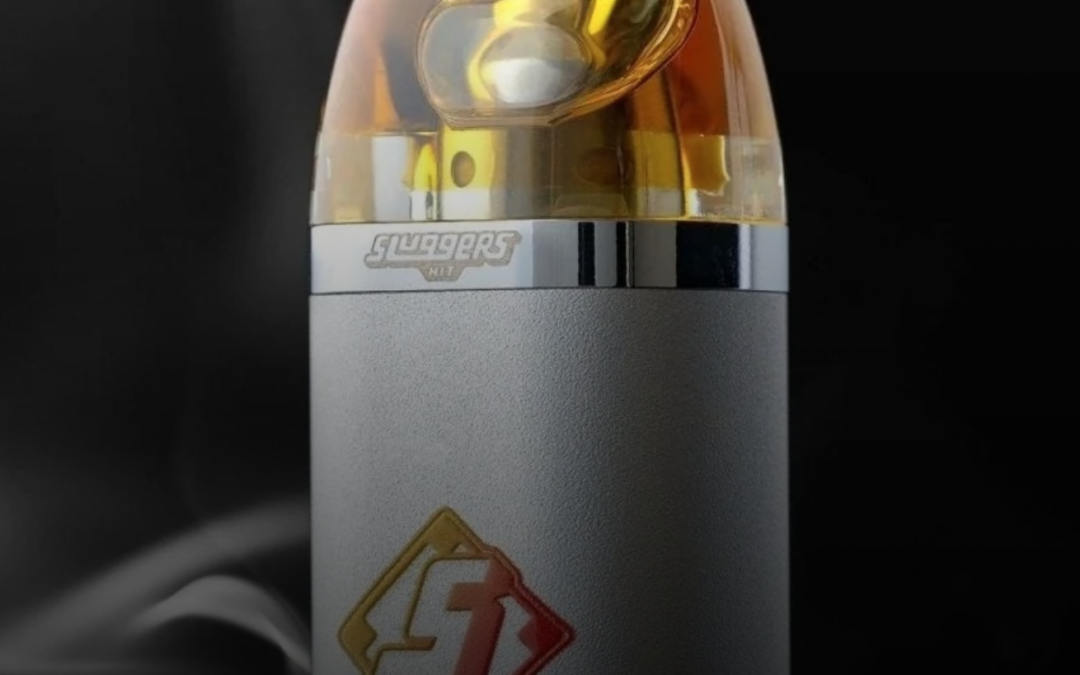
The word “premium” is everywhere in the vape market.
Premium hardware. Premium extracts. Premium cartridges. Premium disposables.
But the label itself doesn’t prove anything.
A genuinely premium vape should be evaluated by what is inside the device, how the product is made, the quality of its hardware, laboratory testing, transparency and consistency.
In other words, premium isn’t about having the most expensive packaging or the biggest number printed on the box.
It’s about the complete product.
This guide breaks down the factors that actually matter when comparing vape quality. Browse THC Vape UK for more details.
The No-Nonsense Premium Vape Checklist.
Before getting into the details, a genuinely high-quality vape should provide clear information about:
- The extract or oil used
- Cannabinoid content
- Ingredients
- Hardware
- Laboratory testing
- Manufacturing information
- Batch information
- Product consistency
- Appropriate packaging and labeling
- Compliance with applicable regulations
If a product makes premium claims but provides very little information about what’s actually inside it, that’s a reason to look more closely.
1. The Extract Matters
The oil or extract is arguably one of the most important parts of a cannabis vape.
Different extraction and formulation approaches can produce very different products.
Common categories include:
- Distillate
- Live resin
- Live rosin
- Full-spectrum extracts
- Other cannabis extracts
Distillate
Distillate is highly refined cannabis extract that can be formulated to contain high concentrations of specific cannabinoids.
It is commonly associated with consistency and potency.
Live Resin
Live resin is generally associated with fresh-frozen cannabis material and is often chosen for its terpene-rich profile.
Live Rosin
Live rosin is a solventless concentrate category and is often positioned toward the premium end of the market.
However, simply seeing “live resin” or “live rosin” on a package doesn’t automatically make a vape premium.
The actual product still needs to be evaluated through testing, ingredients, manufacturing information and overall transparency.
2. Hardware Is Just as Important as the Oil
A premium extract inside poor hardware doesn’t create a premium vape.
The device itself matters.
For cartridges and disposable devices, important hardware considerations can include:
- Material quality
- Heating element design
- Oil compatibility
- Airflow
- Battery consistency
- Leak resistance
- Manufacturing quality
- Overall reliability
A well-formulated oil can still result in a poor experience if the hardware isn’t properly designed for that formulation.
That’s why extract quality and hardware quality should be considered together.
3. A Premium Vape Should Have Transparent Testing
One of the strongest indicators of product transparency is laboratory testing.
A Certificate of Analysis (COA) can provide useful information about a tested product, depending on the applicable testing requirements.
Testing may address areas such as:
- Cannabinoid concentrations
- Pesticides
- Heavy metals
- Microbial contamination
- Residual solvents
- Other contaminants
A product that makes significant quality claims should ideally provide meaningful information that allows those claims to be evaluated.
Don’t just look for a QR code
A QR code alone doesn’t prove anything.
The important question is:
What does the QR code actually lead to?
A useful laboratory report should correspond to the relevant product or batch and provide meaningful testing information.
4. Ingredients Shouldn’t Be a Mystery
Another major quality factor is ingredient transparency.
A reputable product should clearly identify what has been added to the formulation where applicable.
For cannabis vapes, buyers may encounter products containing:
- Cannabis extract
- Terpenes
- Other permitted ingredients depending on the product and jurisdiction
Be cautious about products that provide vague descriptions while making extensive quality claims.
The fewer unanswered questions about the formulation, the easier it is to evaluate the product.
5. Potency Isn’t the Same as Quality
This is one of the biggest misconceptions in the vape market.
A higher THC percentage doesn’t automatically mean a better vape.
For example:
90% THC ≠ automatically premium
Quality involves much more than one cannabinoid number.
A better comparison considers:
- Cannabinoid profile
- Extract type
- Terpene profile
- Ingredients
- Testing
- Hardware
- Manufacturing transparency
- Consistency
Potency is one specification.
It isn’t a complete quality score.
6. Terpenes Matter — But Don’t Be Fooled by Marketing
Terpenes contribute to the aroma and flavour characteristics associated with cannabis.
A premium product may provide information about its terpene profile or the source of its terpenes.
However, terms such as:
- “Ultra terps”
- “Maximum flavour”
- “Premium terpene blend”
don’t automatically demonstrate superior quality.
Look for actual product information rather than relying on descriptive marketing.
7. Consistency Is a Premium Quality Signal
A truly premium product shouldn’t rely on one impressive sample.
Consistency matters.
That means products should ideally demonstrate consistency in areas such as:
- Oil formulation
- Cannabinoid content
- Hardware performance
- Manufacturing
- Packaging
- Batch information
- Laboratory testing
For brands, consistency across batches can be more meaningful than simply advertising an unusually high potency number.
8. Manufacturing Transparency Matters
A premium vape should not be surrounded by unnecessary mystery.
Look for information about:
- Manufacturer or responsible company
- Product specifications
- Batch or lot information
- Testing
- Ingredients
- Applicable compliance information
The more transparent the manufacturer is, the easier it becomes to assess whether the product deserves its quality claims.
9. Packaging Doesn’t Make a Vape Premium
Fancy packaging is one of the easiest things to manufacture.
A premium-looking box can contain an average product.
Likewise, simple packaging can contain a well-made product.
Packaging should therefore be treated as supporting evidence, not the primary measure of quality.
Ask:
What’s inside the package?
not:
How expensive does the package look?
10. The Device Should Match the Product
Different extracts can have different physical characteristics.
A well-designed vape system should therefore be compatible with the formulation it contains.
Hardware and oil need to work together.
Poor compatibility can contribute to problems such as:
- Leaking
- Clogging
- Inconsistent vapor production
- Poor airflow
- Hardware failure
These issues don’t necessarily mean the extract itself is poor, but they demonstrate why hardware should be evaluated as part of the complete product.
11. A Premium Vape Should Have Clear Product Information
When comparing products, look for straightforward information rather than vague claims.
Useful information can include:
| Quality Factor | What to Look For |
|---|---|
| Extract | Clearly identified |
| Cannabinoids | Clearly stated |
| Ingredients | Transparent |
| Testing | Relevant laboratory information |
| Batch | Identifiable where applicable |
| Hardware | Clearly specified where relevant |
| Manufacturer | Identifiable |
| Packaging | Appropriate and compliant |
| Claims | Specific rather than vague |
The more information available, the easier it is to make an informed comparison.
12. What Are the Biggest Red Flags?
A product deserves additional scrutiny when it relies heavily on marketing but provides little evidence behind its claims.
Potential warning signs include:
No meaningful testing information
If there is no useful laboratory information, it’s difficult to independently evaluate the product’s stated composition.
Vague ingredients
If the formulation isn’t clearly explained, comparison becomes harder.
Unverifiable potency claims
A large percentage printed on packaging isn’t sufficient evidence by itself.
Excessive marketing language
Words such as “luxury,” “elite,” “top shelf” and “premium” are marketing terms, not laboratory measurements.
Missing batch information
Batch-level information can be useful when evaluating testing and product traceability.
Poor hardware
Leaking, clogging or inconsistent performance can indicate hardware or formulation problems.
Too-good-to-be-true claims
The more extraordinary the claim, the more important it is to look for evidence.
What Makes a Vape Premium vs Marketing Hype
Here’s the simplest way to think about it:
| Marketing Claim | What Actually Matters |
|---|---|
| “Premium” | Testing + ingredients + manufacturing |
| “Ultra High Potency” | Verified cannabinoid content |
| “Luxury Hardware” | Actual hardware quality |
| “Pure Extract” | Ingredients and laboratory data |
| “Top Shelf” | Product specifications and consistency |
| “Best Vape” | Independent evidence and quality factors |
| “High Terpenes” | Actual terpene information |
| “Lab Tested” | Relevant, verifiable laboratory report |
Premium is demonstrated through evidence, not adjectives.
How to Compare Two Premium Vapes
Suppose you’re comparing two products.
Vape A
- High advertised THC percentage
- Attractive packaging
- “Premium” branding
- No easily verifiable testing information
Vape B
- Clearly identified extract
- Transparent ingredients
- Relevant laboratory testing
- Batch information
- Clearly specified hardware
- Straightforward product documentation
Even if Vape A looks more impressive, Vape B provides more information that can actually be evaluated.
That’s the difference between premium marketing and measurable product quality.
Is Live Resin Automatically More Premium Than Distillate?
Not necessarily.
Live resin and distillate are different extract categories with different characteristics.
Distillate can offer consistency and highly refined cannabinoid content.
Live resin can offer a different cannabinoid and terpene profile associated with fresh-frozen starting material.
The word “live” doesn’t automatically guarantee quality.
Instead, compare:
- Laboratory results
- Ingredients
- Extract information
- Terpene information
- Manufacturing transparency
- Hardware
- Overall consistency
The same principle applies to live rosin.
Read next: Live Resin vs Distillate
Does a Premium Vape Need to Be Expensive?
No.
Price can reflect many things, including:
- Hardware
- Manufacturing
- Packaging
- Brand positioning
- Distribution
- Extract type
- Testing
- Market conditions
A higher price doesn’t automatically prove higher quality.
Likewise, a lower price doesn’t automatically mean poor quality.
The better approach is to compare the actual specifications and evidence behind the product.
Premium Vape Quality: A Simple Scoring Framework
If you want a straightforward way to compare products, evaluate five areas:
1. Extract — 20%
What type of extract is used, and is it clearly identified?
2. Testing — 25%
Is there meaningful laboratory documentation?
3. Ingredients — 20%
Are the ingredients clearly disclosed?
4. Hardware — 20%
Does the device appear appropriately designed and manufactured?
5. Transparency — 15%
Can you identify the manufacturer, batch information and relevant product details?
This isn’t an official industry scoring system. It’s simply a useful framework for comparing products without getting distracted by branding.
What Makes a Vape Truly Premium?
Ultimately, a premium vape should combine several things:
Quality extract + suitable hardware + transparent ingredients + meaningful testing + consistent manufacturing.
No single feature proves that a vape is premium.
Not:
- THC percentage
- Packaging
- Price
- Brand name
- “Live resin” label
- “Premium” wording
Instead, look at the complete product.
Frequently Asked Questions
What makes a vape truly premium?
A premium vape should demonstrate quality through its extract, hardware, ingredients, laboratory testing, manufacturing transparency and consistency.
Is a higher THC percentage better?
Not necessarily. Potency is only one product characteristic and doesn’t independently establish quality.
Is live resin a premium vape?
Live resin is often positioned as a premium extract category, but the label itself doesn’t guarantee product quality. Testing, ingredients, hardware and manufacturing standards still matter.
Is live rosin better than distillate?
They’re different extract categories rather than a simple “better versus worse” comparison. Product quality depends on the specific formulation, testing and manufacturing.
Does expensive packaging mean better quality?
No. Packaging is not a reliable measure of extract or hardware quality.
How can you tell if a vape is high quality?
Look for transparent ingredients, meaningful laboratory testing, clear cannabinoid information, identifiable manufacturing information, appropriate hardware and consistent product documentation.
What is the biggest sign of a low-quality vape?
One major warning sign is a product making strong quality or potency claims without providing enough information to verify those claims.
Final Verdict: Premium Should Mean More Than a Marketing Word
A genuinely premium vape doesn’t need exaggerated claims.
Its quality should be visible through the product itself and the information supporting it.
Look beyond the box.
Look beyond the THC percentage.
Look beyond the word “premium.”
Instead, evaluate the extract, ingredients, testing, hardware, manufacturing and transparency.
That’s the no-nonsense way to compare vape quality.
And when two products make similar claims, choose the one that gives you more verifiable information—not simply better marketing.