
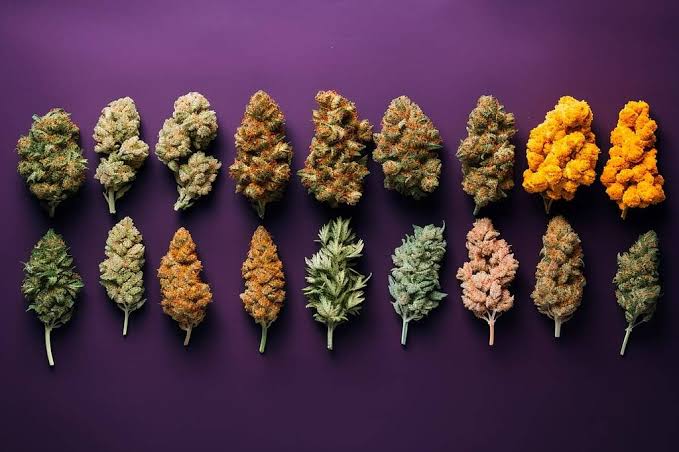
Looking at strong weed strains involves more than comparing the largest THC percentage on a label. Cannabis cultivars can differ in genetics, cannabinoid concentration, terpene profile, aroma and other characteristics, while laboratory results may vary between individual batches.
This guide covers well-known cannabis strains often discussed for their THC potential, explains how to interpret THC percentages, and outlines what to check when comparing flower products. General strain descriptions are useful background, but they do not replace product-specific laboratory results.
For a broader introduction to cannabis flower, see our complete THC flower guide.
What Makes a Weed Strain Strong?
When people describe cannabis as “strong,” they are usually referring to THC potency and the intensity of the overall experience.
THC percentage is an important measurement, but it isn’t the only factor.
A strain’s characteristics can also be influenced by:
- THC concentration
- Other cannabinoids
- Terpene profile
- Genetics
- Growing conditions
- Harvest and curing
- Individual batch variation
Laboratory data shows that very potent cannabis flower commonly falls around the 25–30% total THC range, while claims substantially above the natural range should be approached carefully.
This is why comparing the actual batch information can be more useful than relying solely on a strain name.
To understand what a labelled THC percentage actually means, see our THC percentage explained guide. For batch-specific information, compare the product label with its available certificate of analysis.
Strong Weed Strains to Know
There isn’t one universally “strongest” cannabis strain because potency can vary between growers, phenotypes and batches.
However, several strains have developed reputations for high THC levels and pronounced effects.
1. Permanent Marker
Permanent Marker has become one of the better-known modern high-potency hybrids.
It was named Leafly’s 2023 Strain of the Year and is associated with genetics including Biscotti, Sherb and Jealousy. Its dominant terpene is commonly reported as myrcene, while its profile is known for distinctive aromatic characteristics.
For consumers comparing strong modern hybrids, Permanent Marker is notable for combining potency with a complex terpene profile rather than relying on THC percentage alone.
2. GMO Cookies
GMO Cookies is another widely recognised high-potency strain.
It is known for a particularly pungent aromatic profile and has become a popular choice among consumers looking for heavier hybrid genetics.
Leafly currently includes GMO Cookies among its notable strong strains, alongside other high-THC varieties.
3. Motorbreath
Motorbreath is associated with Chemdog and SFV OG genetics and has developed a reputation for high potency.
Leafly’s current strong-strain guide reports Motorbreath samples averaging above 26% THC, although individual products can vary.
Its diesel-forward aroma makes it particularly interesting for consumers who prefer gassy and pungent cannabis profiles.
4. Runtz
Runtz has become one of the most recognisable modern cannabis strains.
Its popularity comes from a combination of distinctive fruit-forward flavour, modern hybrid genetics and substantial potency.
Runtz and its many descendants appear frequently in high-potency strain lists, although THC levels vary considerably between individual cultivars and batches.
For consumers who want strong flower without sacrificing flavour, Runtz is one of the better-known names to investigate.
5. Hash Burger
Hash Burger is another strain associated with high THC levels.
Current Leafly information describes Hash Burger as commonly testing in the high-20% to low-30% THC range, although individual laboratory results should always take priority over general strain averages.
Its genetics and distinctive skunky, savoury profile make it a notable option for consumers exploring heavier cannabis cultivars.
6. Kush Mints
Kush Mints combines genetics associated with Bubba Kush and Animal Mints.
It has become known for its high THC potential and minty, complex flavour profile.
Kush Mints is particularly relevant to consumers who enjoy modern Cookies-style genetics but want something with a different flavour direction.
7. Ice Cream Cake
Ice Cream Cake is a cross involving Wedding Cake and Gelato #33.
It is commonly associated with a sweet, creamy flavour profile and relaxing characteristics.
Its popularity demonstrates why consumers shouldn’t judge a strong strain purely by THC percentage. Genetics, terpene composition and the overall flower profile also contribute to how a particular batch is perceived.
8. MAC
MAC, short for Miracle Alien Cookies, is another established high-potency hybrid.
It has Cookies and Chemdog-related genetics and is recognised for its complex aroma and orange and floral flavour notes. Leafly currently describes MAC as a strong, uplifting hybrid.
For consumers looking for a balance between potency and a more complex flavour profile, MAC remains a strain worth knowing.
9. Bruce Banner
Bruce Banner is a well-known hybrid associated with OG Kush and Strawberry Diesel genetics.
It has historically developed a reputation for substantial THC levels and strong reported effects.
When evaluating Bruce Banner flower today, however, the actual laboratory results of the individual batch are more useful than relying on older strain averages.
10. Original Glue (GG4)
Original Glue, commonly known as GG4, is one of the classic modern cannabis strains associated with potency.
Its resin-heavy appearance, strong aroma and established reputation have helped it remain popular for years. Leafly continues to include Original Glue among notable cannabis strains and high-potency varieties.
Browse Sluggers Flower
If you want to explore the flower products available in our collection, visit Sluggers Flower to review current listings and their stated product details. Product availability, cannabinoid information and batch documentation can vary by listing.
Does Higher THC Always Mean a Stronger High?
Not necessarily.
THC is one of the most important factors associated with cannabis potency, but the overall experience is influenced by the broader chemical profile.
Two flower products with similar THC percentages can have noticeably different characteristics because their:
- Terpenes differ
- Minor cannabinoids differ
- Genetics differ
- Cultivation methods differ
- Freshness differs
- Individual batches differ
This is sometimes described as the “entourage” or whole-plant profile, although the precise relationship between individual compounds and subjective effects remains an area of ongoing research.
For that reason, a strain with 25% THC isn’t automatically going to feel stronger to every person than one testing at 23%.
What THC Percentage Should You Look For?
There is no single THC percentage that guarantees a particular experience.
As a broad reference, laboratory research discussed by Leafly places many average high-THC strains around 18–20%, while particularly potent flower can reach approximately 25–30% THC. Values substantially above that range deserve closer scrutiny.
Instead of searching for the largest number possible, compare:
THC + terpene profile + cannabinoid profile + COA + batch information.
That gives you a much more useful picture of the product.
Strong Indica vs Strong Sativa vs Strong Hybrid
The traditional indica, sativa and hybrid labels can be useful as general descriptors, but they shouldn’t be treated as precise predictors of how a particular product will feel.
Strong Indica Strains
Indica-labelled strains are often associated with heavier, relaxing characteristics.
Examples commonly associated with potent indica-leaning genetics include:
- Ice Cream Cake
- Fatso
- Hash Burger
- Kush-based cultivars
Strong Sativa Strains
Sativa-labelled strains are traditionally associated with more energetic or cerebral characteristics.
Examples include:
- Durban Poison
- Jack Herer
- Super Lemon Haze
- Sour Diesel
Leafly’s current strain information includes Durban among its higher-THC sativa options, although actual potency varies between samples.
Strong Hybrid Strains
Many of today’s most popular high-potency cultivars are hybrids.
Examples include:
- Permanent Marker
- Runtz
- GMO Cookies
- MAC
- Bruce Banner
- GG4
- Kush Mints
Hybrids can combine genetics from different lineages, producing highly varied cannabinoid and terpene profiles. Browse our Indica vs Sativa vs Hybrid
Why Terpenes Matter When Choosing Strong Flower
THC gets most of the attention, but terpenes are an important part of the overall cannabis profile.
Common cannabis terpenes include:
- Myrcene
- Limonene
- Caryophyllene
- Pinene
- Terpinolene
Terpenes primarily contribute to aroma and flavour, but they are also being studied for their potential relationship with the overall cannabis experience.
For example, a high-THC strain dominated by citrus-forward limonene can have a very different sensory profile from a similarly potent strain with a heavier myrcene or caryophyllene presence.
For a closer look at common cannabis aromas and how terpene profiles are described, read our guide to terpenes in THC flower.
How to Choose High-THC Weed
If you’re comparing strong cannabis flower, use a simple checklist.
Check the THC Percentage
Start by looking at the laboratory-reported THC level.
Check the COA
A Certificate of Analysis (COA) can provide batch-specific information about cannabinoids and, depending on the testing panel, contaminants and other quality measurements.
Look at the Terpene Profile
If available, examine the dominant terpenes to understand the expected aroma and flavour characteristics.
Consider Genetics
A strain’s lineage can provide useful context when comparing related cultivars.
Check the Batch
Don’t assume every product carrying the same strain name will have identical potency.
Strong Weed Strains vs High-Quality Weed
High THC does not automatically mean high quality.
A strong strain can have an impressive THC percentage but still be poorly stored, improperly cured or lacking useful product documentation.
Quality assessment should include:
- Cannabinoid testing
- Terpene information
- Appearance
- Aroma
- Freshness
- Storage
- Batch documentation
- Laboratory testing
The best approach is to consider potency as one part of quality, rather than the entire definition.
For a more detailed checklist covering freshness, appearance, storage and available product information, read our guide to identifying high-quality THC flower.
Strong Weed Strains: What to Look for in 2026
The cannabis market continues to produce new cultivars, while established strains such as Runtz, GG4, MAC and Kush Mints remain popular.
Current strain coverage also highlights newer names such as Glitter Bomb, Dante’s Inferno, Black Maple and Scented Marker, showing how quickly the high-potency strain landscape continues to evolve.
For that reason, the “strongest strain” conversation will continue changing as new genetics appear and more laboratory data becomes available.
Browse Sluggers Flower
If you want to explore the flower products available in our collection, visit Sluggers Flower to review current listings and their stated product details. Product availability, cannabinoid information and batch documentation can vary by listing.
Frequently Asked Questions
What is the strongest weed strain?
There is no single permanently confirmed strongest strain. Potency varies by genetics, phenotype, cultivation and individual batch. Current high-potency lists include strains such as Permanent Marker, GMO Cookies, Motorbreath, Hash Burger and Kush Mints.
Is 30% THC considered strong?
Yes. Flower testing around 30% THC would generally be considered highly potent. Laboratory data indicates that cannabis flower naturally approaching or exceeding 30% THC is already at the upper end of commonly observed potency.
Does higher THC mean a better strain?
No. THC percentage measures potency, not overall quality. Flavour, aroma, genetics, terpenes, freshness and laboratory testing can all be important when evaluating flower.
What are some strong hybrid strains?
Popular high-potency hybrids include Permanent Marker, Runtz, GMO Cookies, MAC, Bruce Banner, Kush Mints and GG4.
Should I choose a strain based only on THC?
No. THC is important, but looking at the complete cannabinoid and terpene profile gives you more useful information about a product.
Final Thoughts
The search for strong weed strains is ultimately about more than finding the highest THC number.
Modern cannabis offers a huge range of potent genetics, from established names such as GG4, Bruce Banner and Runtz to newer cultivars such as Permanent Marker and Hash Burger.
When comparing strong flower, look beyond the headline THC percentage. Check the COA, cannabinoid profile, terpene profile, genetics and batch information before making a decision.
For more information, explore our complete THC Flower Guide, THC Percentage Guide, Cannabis Terpenes Guide, and Indica vs Sativa vs Hybrid Guide.