
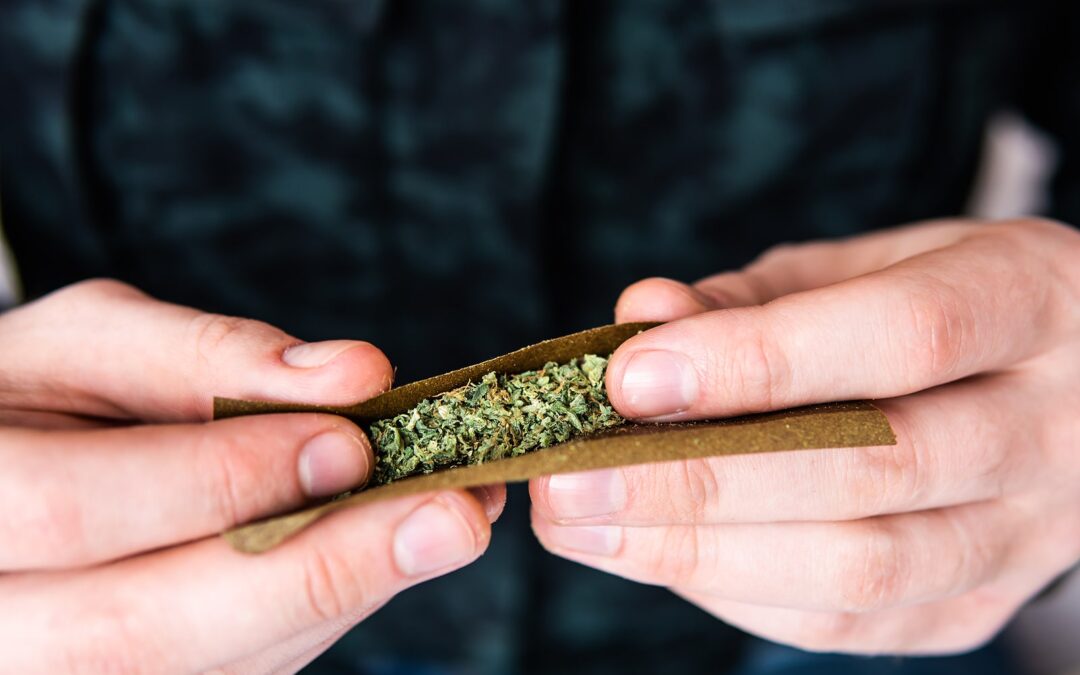
Learning how to roll blunts is a classic part of cannabis culture, but getting a consistent roll can take some practice. The right flower, wrap, moisture level and packing technique can make a significant difference.
Whether you’re completely new to blunts or want to improve your technique, this guide explains how to roll a blunt, what you need, how blunts compare with joints and pre-rolls, and how to choose suitable cannabis flower.
U.S. cannabis note: Cannabis laws differ considerably between states. This Sluggers Carts guide is for educational purposes and does not provide legal advice. Always follow the cannabis laws that apply where you live.
What Is a Blunt?
A blunt is cannabis flower rolled inside a cigar wrap, blunt wrap or similar larger-format wrapper. Traditional blunts were commonly made by removing the tobacco from a cigar or cigarillo and replacing it with cannabis.
Modern wraps can also be made specifically for cannabis and may use different materials, including tobacco or tobacco-free alternatives.
Blunts are generally larger than traditional joints, which makes them popular for group sessions and longer smoking sessions.
If you’re deciding between different ways to consume flower, understanding the difference between blunts, joints and pre-rolls is useful before choosing a product.
Lean Related guide: THC Flower Guide
What Do You Need to Roll a Blunt?
Before you start, gather the basic supplies:
- Cannabis flower
- A suitable blunt wrap
- Cannabis grinder
- Clean rolling surface
- Optional filter or tip
- A small amount of water for certain wraps
- Lighter for finishing and lighting
The most important ingredient is the flower. Cannabis that is too dry can crumble excessively, while overly moist flower can be difficult to grind and may burn inconsistently.
For beginners, moderately dense flower that breaks apart easily is generally easier to work with.
How to Choose Cannabis Flower for a Blunt
The flower you choose can influence the overall experience and how easily the blunt rolls.
Look for flower with:
Good moisture balance
Flower that is extremely dry may turn into powder when ground. Flower that is excessively moist can be difficult to break down and may not burn evenly.
A consistent texture
Moderately dense buds are usually easier to grind and distribute across a wrap.
Noticeable aroma and terpene characteristics
Terpenes contribute to the aroma and flavor profile of cannabis flower. Different cultivars can have noticeably different aromatic characteristics.
Appropriate THC potency
Higher THC percentage does not automatically mean a better product for every consumer. Consider the potency information provided by the product and your own experience level.
For more information about evaluating cannabis flower, see our THC Flower Guide and related educational content.
How to Roll Blunts Step by Step
Rolling a blunt becomes easier with practice. The basic process involves preparing the flower, preparing the wrap, distributing the flower evenly, shaping the blunt and sealing it.
Step 1: Break Down the Flower
Start by removing large stems and breaking the flower into smaller pieces.
A grinder can help produce a more consistent texture. Avoid turning the flower into an extremely fine powder because overly fine material can make airflow and handling more difficult.
The goal is a relatively even consistency that can be distributed across the wrap.
Step 2: Prepare the Wrap
If you’re using a traditional cigar or cigarillo, the tobacco filling needs to be removed before adding cannabis.
Alternatively, purpose-made blunt wraps can simplify the process because they are already designed to be used as wraps.
Handle the wrapper carefully because dry wrappers can crack or tear.
Step 3: Add the Flower
Place the prepared flower along the length of the wrap.
Try to distribute it relatively evenly rather than creating one large pile in the middle. This makes shaping the blunt easier and can help create a more consistent roll.
The amount you use depends on the size of the wrap and how many people the blunt is intended for.
Step 4: Shape the Blunt
Hold the wrap between your fingers and gently shape the flower into an even cylinder.
This is where beginners often need the most practice.
Avoid squeezing the flower too tightly. The goal is to create a stable shape while leaving enough room for airflow.
Step 5: Tuck and Roll
Begin bringing the lower edge of the wrap around the flower while gently tucking the material underneath.
Work gradually from one end toward the other rather than trying to roll the entire blunt in one movement.
Once the wrap has formed around the flower, continue rolling until the exposed edge can be sealed.
Step 6: Seal the Wrap
Depending on the type of wrap you’re using, a small amount of moisture can help create the seal.
Apply moisture carefully rather than soaking the wrap. Excess moisture can make the wrapper difficult to handle and can affect how it burns.
Press along the seam to keep the wrap closed.
Step 7: Check the Roll
Before lighting, inspect the blunt.
Look for:
- Loose flower
- Large gaps
- Torn sections
- An excessively tight section
- An uneven shape
- An open seam
Small imperfections are normal when you’re learning.
With practice, you’ll become better at maintaining consistent pressure and producing a more uniform roll.
Common Blunt-Rolling Mistakes
If your first few blunts don’t look perfect, that’s normal. These are some of the most common problems beginners encounter.
The blunt keeps unraveling
The wrap may not have been sealed properly, or it may have been too dry.
Try working with the wrapper more carefully and use only enough moisture to secure the seam.
The blunt is too tight
Overpacking or compressing the flower excessively can make airflow difficult.
Instead of forcing more flower into the wrap, focus on creating an even, moderately packed roll.
The blunt is too loose
If flower moves around inside the wrapper, the roll may not have been shaped firmly enough.
Gently redistribute the flower and work on maintaining consistent pressure as you tuck and roll.
The wrap keeps tearing
Very dry wrappers can become brittle.
Handle the wrap carefully and avoid excessive stretching or pressure.
The blunt burns unevenly
Uneven flower distribution, inconsistent packing and moisture differences can all contribute to an uneven burn.
Focus on distributing the flower consistently throughout the wrap.
Blunt vs Joint: What’s the Difference?
The biggest difference is the material used to wrap the cannabis.
A traditional joint uses rolling paper, while a traditional blunt uses a cigar or cigar-style wrapper. Blunts are also typically larger than joints.
| Feature | Blunt | Joint |
|---|---|---|
| Wrapper | Cigar/blunt wrap | Rolling paper |
| Typical size | Larger | Usually smaller |
| Flower required | Often more | Usually less |
| Rolling difficulty | Moderate | Moderate |
| Sharing | Often suited to groups | Often suited to individuals or small groups |
| Tobacco possibility | Traditional wraps may contain tobacco | Normally paper only |
If you prefer the convenience of something already prepared, pre-rolls provide another option.
Related guide: Learn more about THC Pre-Rolls and how they compare with loose flower.
Blunt vs Pre-Roll
A blunt requires you to prepare and roll the flower yourself. A pre-roll comes already assembled.
Blunts
Blunts may appeal to consumers who enjoy:
- Preparing their own flower
- Choosing their own quantity
- Selecting their preferred wrap
- Creating a larger roll
- Sharing with friends
Pre-Rolls
Pre-rolls are designed around convenience.
They can be useful when you want a ready-to-use cannabis flower product without grinding and rolling your own.
If convenience is your priority, explore Sluggers available THC pre-roll options where legally available.
Tobacco Wraps vs Tobacco-Free Wraps
Not all blunt wraps are identical.
Traditional cigar-style blunts use tobacco-based wrappers. Tobacco-free alternatives can provide another option for consumers who don’t want a tobacco wrap.
This distinction matters because smoking cannabis already involves exposure to smoke. The CDC notes that smoked cannabis can affect lung tissue, and cannabis smoke contains many of the same toxins and irritants found in tobacco smoke.
Consumers should therefore understand what their chosen wrapper contains rather than assuming every blunt wrap is the same.
How Much Flower Goes Into a Blunt?
There isn’t one universal amount.
Blunt size, wrap size, personal preference and whether the blunt is being shared all influence how much flower is used.
A larger wrap can accommodate more flower than a small cigarillo-style wrap.
Rather than focusing on a specific quantity, beginners should concentrate on creating an evenly distributed roll that isn’t packed excessively tightly.
If you’re new to cannabis flower, pay attention to the product’s stated THC potency as well as the amount used.
How to Get a Better Blunt Roll
Improving your technique mostly comes down to consistency.
Keep your flower evenly ground
Large chunks can make shaping difficult, while overly fine material can create other handling problems.
Don’t overpack
A blunt doesn’t need to be packed as tightly as possible.
Use consistent pressure
Try to maintain similar pressure from one end of the blunt to the other.
Don’t rush the tuck
The tuck is one of the most important parts of the roll. Take your time rather than forcing the wrap around the flower.
Practice with different wraps
Different wrappers have different textures, thicknesses and moisture levels.
Once you understand how your preferred wrap behaves, rolling usually becomes easier.
How to Store Cannabis Flower Before Rolling
Proper storage can help maintain the quality of your flower before you use it.
Keep cannabis flower away from:
- Excessive heat
- Direct sunlight
- Excess moisture
- Extreme dryness
- Air exposure
An airtight container stored in a suitable environment can help protect the flower’s aroma and overall condition.
For a more detailed explanation, see our guide on how to store THCA flower and cannabis flower storage best practices.
Are Blunts Legal in the U.S.?
The legality of cannabis possession and use depends on the state and the specific circumstances.
Some U.S. states permit adult-use cannabis, while others restrict cannabis to medical programs or prohibit recreational possession and use.
Importantly, state legalization does not mean cannabis is legal in every context. Federal law, state law, local rules, possession limits, age requirements and location restrictions can all matter.
Before purchasing, possessing or consuming cannabis, check the current rules where you live.
Frequently Asked Questions About Rolling Blunts
What is the easiest way to roll a blunt?
The easiest approach for beginners is to use a purpose-made blunt wrap, prepare evenly broken-down flower and focus on a gradual tuck-and-roll technique rather than trying to form the entire blunt at once.
How much weed do you need for a blunt?
The amount depends on the size of the wrap and how much flower you want to use. Larger blunts generally require more flower than smaller rolls.
Is a blunt the same as a joint?
No. A joint generally uses rolling paper, while a traditional blunt uses a cigar or cigar-style wrapper. Blunts are also usually larger.
Can you roll a blunt without a grinder?
Yes. Flower can be broken down by hand, although a grinder can make the consistency more uniform.
Why does my blunt keep falling apart?
The wrap may be too dry, the seam may not have been sealed properly, or the flower may not have been shaped evenly. Practice and a suitable wrapper can make the process easier.
Are tobacco-free blunt wraps available?
Yes. Tobacco-free wraps are available as an alternative to traditional cigar-style wrappers. Always check the product’s ingredients and material before using it.
Is smoking a blunt safer than smoking a joint?
Neither should automatically be considered safe. The CDC states that smoked cannabis can harm lung tissue, and cannabis smoke contains many of the same toxins and irritants found in tobacco smoke.
Final Thoughts
Learning how to roll blunts is mostly about finding the right combination of flower, wrap and technique.
Start with well-prepared flower, avoid overpacking, take your time with the tuck and seal, and expect your technique to improve with practice.
If you prefer preparing your own cannabis, explore Sluggers THC Flower guides to learn more about flower types, potency, terpenes, storage and product quality.