
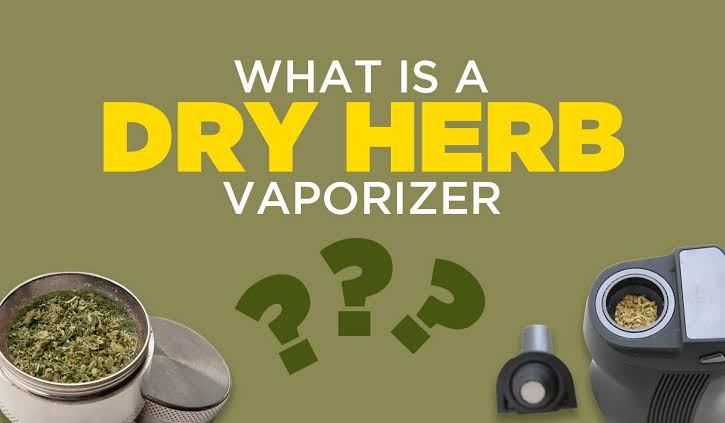
If you enjoy cannabis flower but want an alternative to traditional smoking, a dry herb vape can be an option worth understanding.
Unlike a traditional vape cartridge or disposable, a dry herb vaporizer is designed to heat ground cannabis flower rather than cannabis oil. The device uses controlled heat to release cannabinoids and terpenes from the flower without directly burning it.
For U.S. consumers, choosing the right dry herb vape also means understanding the difference between flower vaporizers, THC vape cartridges, and disposable vapes—as well as the cannabis laws that apply where you live.
In this complete 2026 dry herb vape U.S. guide, we’ll explain how dry herb vaporizers work, the different heating systems, how they compare with smoking and oil vapes, what to look for when choosing one, and how dry herb vaping fits into the wider cannabis market.
What Is a Dry Herb Vape?
A dry herb vape, also called a dry herb vaporizer or cannabis flower vaporizer, is a device designed to heat dried botanical material rather than liquid vape oil.
For cannabis consumers, that generally means placing ground flower into the device’s heating chamber. The vaporizer then heats the flower to a controlled temperature, allowing cannabinoids and terpenes to be released without using an open flame.
Modern dry herb vaporizers are available in several formats, including:
- Portable dry herb vapes
- Pocket-sized flower vaporizers
- Larger battery-powered devices
- Desktop vaporizers
- Conduction vaporizers
- Convection vaporizers
- Hybrid heating devices
The biggest difference between a dry herb vape and a conventional THC vape is what you’re putting into the device.
A dry herb vape uses flower.
A THC cartridge or disposable generally uses cannabis oil or another concentrated formulation.
Leafly describes flower vaporizers as devices that heat dry cannabis flower, while vape pens commonly use cannabis oil in a cartridge.
Read our THC Flower Guide for more details.
How Does a Dry Herb Vape Work?
The basic process is straightforward.
You place properly prepared flower into the device’s chamber. The battery powers a heating element, which raises the temperature of the chamber. Instead of exposing the flower to a flame, the device uses controlled heat to vaporize compounds from the plant material.
The vapor is then drawn through the mouthpiece.
Most dry herb vaporizers use one of three heating approaches:
Conduction Heating
Conduction vaporizers heat the flower through direct contact with a heated surface.
Think of it like cooking food in a heated pan.
The advantages can include:
- Faster heat-up times
- Straightforward operation
- Compact designs
- Often lower device prices
The downside is that the flower is in direct contact with the heating surface, so uneven heating or scorching can occur if the device is poorly designed or incorrectly used.
Convection Heating
Convection vaporizers heat the surrounding air and pass that hot air through the flower.
This is more similar to an oven than a frying pan.
Because the heating element does not directly touch the flower, convection systems can provide more even heating, although some devices take longer to reach their target temperature.
Hybrid Heating
Some modern vaporizers combine conduction and convection.
This approach attempts to provide the quick heating associated with conduction while improving the consistency of convection.
Dry Herb Vape vs THC Vape
This is one of the most important distinctions for beginners.
| Feature | Dry Herb Vape | THC Vape |
|---|---|---|
| Material | Cannabis flower | Cannabis oil/extract |
| Chamber | Flower chamber | Cartridge/tank |
| Heating | Conduction/convection/hybrid | Usually coil/atomizer |
| Product format | Loose flower | Cartridge/disposable |
| Reusable device | Usually | Depends on product |
| Flower experience | Yes | No |
| Portability | Varies | Usually highly portable |
A dry herb vaporizer is therefore not simply another name for a THC vape pen.
If you want to explore cannabis flower itself including its strain characteristics, cannabinoids and terpene profile a dry herb vape is designed around that format.
If convenience and portability are your main priorities, a disposable or cartridge may be more suitable.
- Read our THC Vapes complete guide for details.
Dry Herb Vape vs Smoking Cannabis Flower
The main difference is combustion.
Smoking cannabis involves burning the flower. A dry herb vaporizer instead uses controlled heat below the point of combustion.
That creates a different experience in terms of flavor, aroma, vapor production and device operation.
Dry herb vaping can also make temperature control a central part of the experience. Different temperature settings can change the characteristics of the vapor and how strongly different compounds are expressed.
However, it is important not to describe vaping as completely risk-free or claim that it is automatically “healthy.” Cannabis vaporization still involves inhalation, and research into long-term effects remains incomplete. (Leafly)
For that reason, Sluggers Vape should use language such as “an alternative to combustion” rather than making absolute health claims.
What Temperature Should You Use With a Dry Herb Vape?
Temperature is one of the biggest advantages of a modern dry herb vaporizer.
Many devices allow users to select or adjust the heating temperature.
Lower settings can emphasize lighter vapor and terpene characteristics, while higher settings generally produce denser vapor.
There isn’t one universal “best” temperature because devices, flower moisture, grind consistency and individual preferences vary.
As a general starting point, many cannabis vaporizers operate in the broad range around 350–430°F, although exact temperature capabilities differ significantly between devices.
Why Temperature Matters
Temperature affects:
- Vapor density
- Flavor
- Aroma
- Terpene expression
- How quickly the flower is extracted
- Battery consumption
Beginners should follow the manufacturer’s recommended settings rather than assuming that a particular temperature works for every vaporizer.
How to Use a Dry Herb Vape
Although individual devices vary, the basic process generally looks like this:
1. Choose Suitable Flower
Start with properly stored, appropriately dried cannabis flower.
The quality of the flower matters because a vaporizer does not turn poor-quality material into premium flower.
2. Grind the Flower
A consistent grind can help promote more even airflow and heating.
Avoid turning the flower into an extremely fine powder because that can potentially restrict airflow in some devices.
3. Load the Chamber
Place the recommended amount into the heating chamber.
Don’t overpack it.
The chamber needs sufficient airflow for the device to work properly.
4. Select Your Temperature
Choose a temperature within the manufacturer’s recommended range.
Beginners may prefer starting lower and gradually adjusting based on the vapor and flavor they prefer.
5. Allow the Device to Heat
Wait until the vaporizer reaches its target temperature.
Many modern devices provide an indicator, vibration or display when they’re ready.
6. Take Slow Draws
Draw steadily rather than pulling extremely hard.
The exact technique depends on the device, so the manufacturer’s instructions should always take priority.
What Makes a Good Dry Herb Vape?
If you’re comparing dry herb vaporizers in 2026, consider more than just the advertised temperature range.
Heating Performance
Consistent heating is one of the most important characteristics.
A good device should heat the flower predictably rather than creating hot spots.
Temperature Control
More control can be useful for consumers who want to experiment with different vapor characteristics.
Battery Life
Portable devices need enough battery capacity for your typical use.
If you’re frequently away from a charger, battery performance becomes especially important.
Chamber Size
A larger chamber may be useful for longer sessions, while smaller chambers can make sense for consumers who prefer smaller amounts.
Airflow
Airflow affects the overall draw and vapor experience.
Cleaning Requirements
A complicated device can become frustrating if it requires frequent disassembly and maintenance.
Build Quality
Look for durable construction, reliable controls and a reputable manufacturer.
Portable vs Desktop Dry Herb Vaporizers
There are two major formats worth considering.
Portable Dry Herb Vapes
Portable devices are designed for convenience.
They’re generally:
- Battery powered
- Compact
- Easier to transport
- Suitable for individual sessions
They’re a natural choice for consumers who prioritize portability.
Desktop Dry Herb Vaporizers
Desktop units are designed primarily for use at home.
They can offer:
- Larger chambers
- More extensive temperature controls
- Larger vapor production
- Longer sessions
- More elaborate airflow systems
Leafly’s 2026 vaporizer coverage includes both portable and desktop flower vaporizer formats, demonstrating how broad the current dry-herb market has become.
Dry Herb Vape vs Disposable Vape
Another common beginner question is whether to choose a dry herb vape or a THC disposable.
The answer depends primarily on what product format you prefer.
Choose a Dry Herb Vape If You Prefer:
- Cannabis flower
- Strain-specific flower
- Controlling your temperature
- A reusable vaporizer
- The experience of using flower
Consider a THC Disposable If You Prefer:
- Convenience
- An all-in-one device
- Compact portability
- Pre-filled cannabis oil
- No separate flower chamber
This distinction is particularly useful for shoppers who arrive at SluggersVape searching for a THC vape but aren’t sure whether they want flower or oil.
Browse THC Disposables: The Complete Guide
Can You Use THCA Flower in a Dry Herb Vape?
THCA is naturally present in raw cannabis flower.
When heated, THCA can undergo decarboxylation, converting it into THC. Heat from smoking and vaporization can facilitate this chemical conversion.
That is one reason THCA flower is relevant to discussions about dry herb vaping.
However, consumers should distinguish between:
- THCA content
- Delta-9 THC content
- Total THC
- State-specific cannabis laws
- Federal hemp definitions
The legal treatment of cannabis products can vary considerably depending on the product and jurisdiction.
Learn our THCA for Beginners: A Complete Guide
How to Store Cannabis Flower for a Dry Herb Vape
Proper storage matters regardless of whether you smoke or vaporize flower.
The goal is to protect the flower from excessive:
- Heat
- Light
- Moisture
- Air exposure
Store flower in an appropriate airtight container in a cool, dark environment.
Avoid leaving cannabis flower exposed to excessive heat or direct sunlight.
For more detailed information, link this section to your existing:
“How to Store THCA Flower” guide.
You can also create a dedicated How to Store THC Flower support article and link it here.
How to Clean a Dry Herb Vape
Regular cleaning helps maintain airflow and device performance.
Common areas that may require attention include:
- Mouthpiece
- Vapor path
- Heating chamber
- Screens
- Removable components
Always follow the manufacturer’s cleaning instructions.
Avoid using liquids or cleaning materials on electronic components unless the manufacturer specifically permits them.
A blocked airflow path can make a vaporizer feel weaker or harder to draw from, which is why maintenance should be part of your regular routine.
Common Dry Herb Vape Problems
Weak Vapor
Possible causes include:
- Low temperature
- Poorly prepared flower
- Incorrect loading
- Restricted airflow
- Dirty components
- Low battery
Harsh Vapor
Possible causes include:
- Excessive temperature
- Overheating
- Poor airflow
- Very dry flower
Unevenly Heated Flower
This can occur when flower isn’t distributed properly or when a conduction device creates uneven contact with the heating surface.
Device Not Heating
Check:
- Battery level
- Power settings
- Charging connection
- Chamber placement
- Manufacturer troubleshooting instructions
Is Dry Herb Vaping Legal in the U.S.?
This is where U.S. consumers need to be careful.
The legality of a dry herb vaporizer device is different from the legality of the cannabis placed inside it.
Cannabis laws vary by state, and federal law remains relevant.
As of 2026, the DEA continues to list marijuana as a Schedule I controlled substance while the federal government continues the formal process concerning proposed rescheduling. The DEA’s 2026 proceedings concern a proposal to move marijuana from Schedule I to Schedule III; the process itself should not be treated as blanket federal legalization.
Therefore, consumers should check the current laws applicable to their state before purchasing, possessing or using cannabis flower.
Dry Herb Vape Buying Checklist
Before choosing a dry herb vaporizer, ask:
✓ Does it work specifically with dry flower?
✓ Does it offer adjustable temperature control?
✓ Is the battery sufficient for your typical sessions?
✓ Is the chamber size appropriate?
✓ Is the device easy to clean?
✓ Is replacement hardware available?
✓ Does the manufacturer provide clear instructions?
✓ Is the device appropriate for your intended use?
These considerations can help narrow down the options without relying solely on price or marketing claims.
Dry Herb Vape vs Other Cannabis Consumption Methods
| Method | Product Used | Main Advantage |
|---|---|---|
| Dry Herb Vape | Cannabis flower | Flower-focused vaporization |
| THC Disposable | Cannabis oil/extract | Convenience |
| THC Cartridge | Cannabis oil/extract | Reusable battery + replaceable cartridge |
| Joint | Cannabis flower | Traditional combustion |
| Pre-Roll | Cannabis flower | Ready-to-use flower format |
| Concentrate Vape | Cannabis concentrates | Designed for extracts |
For readers who are comparing formats, this section is an excellent place to connect your broader Sluggers content cluster.
Browse our guides below for more details;
Frequently Asked Questions
What is a dry herb vape?
A dry herb vape is a vaporizer designed to heat dried botanical material, including cannabis flower, without directly burning it.
Is a dry herb vape the same as a THC vape?
No. A dry herb vape uses flower, while many THC vapes use cannabis oil or extract contained in a cartridge or disposable.
Can you vape cannabis flower?
Yes. Dry herb vaporizers are specifically designed to heat cannabis flower and produce inhalable vapor.
Is vaping flower better than smoking?
Dry herb vaping avoids direct combustion, creating a different consumption method from smoking. However, vaping cannabis is not risk-free, and consumers should avoid unsupported health claims.
What temperature should I use for a dry herb vape?
Temperature varies by device and personal preference. Follow the manufacturer’s recommendations and start within the device’s recommended range.
Can you use THCA flower in a dry herb vape?
Heating THCA flower can cause THCA to convert into THC through decarboxylation. Consumers should also consider the applicable federal and state laws governing the product.
How do I choose a dry herb vape?
Consider heating technology, temperature control, battery life, chamber size, airflow, portability, cleaning requirements and overall build quality.
Final Thoughts: Is a Dry Herb Vape Right for You?
A dry herb vape gives cannabis consumers another way to use flower without relying on traditional combustion.
For beginners, the most important things to understand are the difference between conduction and convection heating, temperature control, flower preparation, device maintenance and the distinction between dry herb vaporizers and THC oil vapes.
For U.S. consumers in 2026, legality is equally important. Cannabis rules vary by state, while federal marijuana policy remains subject to ongoing regulatory developments.
If you’re exploring cannabis flower, start by learning about the flower itself, its cannabinoid and terpene profile, storage requirements and available formats before choosing the consumption method that fits your preferences.