
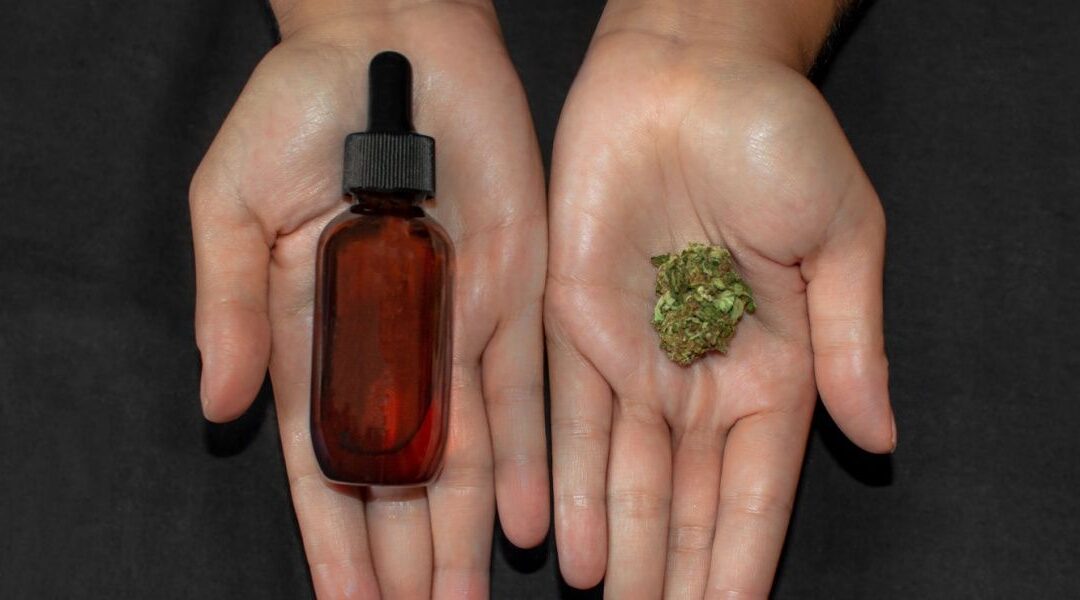
If you’re comparing CBN vs THC, you’re looking at two different cannabinoids that can appear in cannabis and hemp-derived products but have very different characteristics.
THC is best known for being the primary intoxicating cannabinoid in cannabis, while CBN, short for cannabinol, is a minor cannabinoid that has attracted growing interest among cannabis consumers and product manufacturers.
So, what is the difference between CBN and THC? Does CBN get you high? Is CBN stronger than THC? And which cannabinoid should you choose?
The answer depends on what you’re looking for in a cannabis product, the cannabinoid profile, the product format and the laws that apply where you live.
This Sluggers Vapes guide breaks down CBN vs THC, including their origins, psychoactive properties, potential effects, product formats and what to consider when comparing products.
Quick answer: THC is the cannabinoid most strongly associated with cannabis intoxication, while CBN is a different, less-studied cannabinoid that generally produces much weaker psychoactive effects in available human research. They should not be treated as interchangeable.
CBN vs THC at a Glance
| Feature | CBN | THC |
|---|---|---|
| Full name | Cannabinol | Tetrahydrocannabinol |
| Type | Minor cannabinoid | Major cannabinoid |
| Naturally occurring | Yes | Yes |
| Intoxicating | Much less pronounced | Yes |
| Common product formats | Oils, gummies, capsules, vapes and blends | Vapes, flower, concentrates, edibles and more |
| Research | Still developing | Much more extensively studied |
| Common consumer interest | Cannabinoid variety and nighttime-oriented products | Cannabis experience and intoxicating effects |
| Legal status | Depends on source, formulation and jurisdiction | Highly dependent on product and local law |
The most important distinction is that CBN and THC are not simply two versions of the same cannabinoid. They interact differently with the body’s cannabinoid system and can produce different experiences.
What Is CBN?
CBN, or cannabinol, is a naturally occurring cannabinoid found in cannabis.
Unlike THC, CBN is generally present in much smaller quantities in fresh cannabis. It can form as THC undergoes oxidation and degradation over time.
This is one reason CBN has historically been associated with older cannabis material.
Today, manufacturers can formulate products specifically around CBN, including CBN oils, capsules, gummies, tinctures and cannabinoid blends.
CBN has become particularly popular among consumers looking beyond traditional THC products, although research into its effects is still developing.
Importantly, CBN should not automatically be described as a proven sleep treatment. Earlier reviews found limited clinical evidence, while more recent controlled trials have produced interesting but still developing results.
What Is THC?
THC, usually referring to delta-9-tetrahydrocannabinol, is one of the best-known cannabinoids in cannabis.
THC is primarily responsible for the intoxicating effects associated with marijuana.
When THC interacts with cannabinoid receptors in the body’s endocannabinoid system, it can produce effects that may include changes in perception, mood, coordination and reaction time.
THC is found in a wide range of cannabis products, including:
- THC flower
- THC vapes
- THC cartridges
- THC disposable vapes
- THC concentrates
- Edibles
- Pre-rolls
For consumers researching cannabis products for the first time, understanding THC is an important starting point.
Read our : THC Vapes: The Complete Beginner’s Guide
CBN vs THC: What Is the Main Difference?
The biggest difference between CBN and THC is their relationship with intoxication and their cannabinoid profiles.
THC is strongly associated with the traditional cannabis high.
CBN, on the other hand, is generally considered much less intoxicating. Older human research found that THC produced noticeable subjective drug effects while CBN alone did not produce the same effects in the study conditions.
That doesn’t mean CBN and THC are opposites.
They are both cannabinoids, but they have different chemical structures, biological activity and consumer uses.
In simple terms:
THC: Primarily associated with cannabis intoxication.
CBN: A minor cannabinoid that has attracted interest for its distinct properties but has substantially less human research behind it.
Does CBN Get You High?
This is one of the most common questions when comparing CBN vs THC.
CBN is not generally considered comparable to THC when it comes to intoxication.
Available human research suggests CBN alone has considerably weaker subjective effects than THC. However, the exact experience can depend on the dose, product formulation and whether CBN is combined with other cannabinoids.
For that reason, it is better to think of CBN as a different cannabinoid rather than a weaker version of THC.
If avoiding intoxication is important to you, always check the complete cannabinoid profile of a product rather than assuming that a product labeled “CBN” contains no THC.
CBN vs THC Effects: How Do They Compare?
The experience associated with a cannabinoid depends on several factors, including:
- Cannabinoid concentration
- Product format
- Dose
- Individual response
- Other cannabinoids present
- Terpene profile
- Previous cannabis experience
THC is known for producing intoxicating effects that can affect perception, coordination and judgment.
CBN is generally associated with much less pronounced psychoactive effects.
Research into CBN is also considerably less developed than research into THC.
This distinction is important because cannabis marketing sometimes presents CBN as having very specific effects. Consumers should separate marketing claims from established human evidence.
CBN vs THC for Sleep: What Does the Research Say?
CBN is frequently marketed in products designed for nighttime use, which has made CBN vs THC for sleep a popular search topic.
However, the evidence needs to be viewed carefully.
A 2021 review found that clinical evidence supporting CBN’s sleep-promoting claims was insufficient at that time.
More recent research provides a more nuanced picture.
A 2024 randomized controlled trial involving 293 participants found that 20 mg of CBN was associated with fewer nighttime awakenings and reduced overall sleep disturbance compared with placebo, although several other sleep measures did not significantly differ.
A 2026 randomized crossover trial involving 20 adults with insomnia found that 300 mg CBN produced some improvements in subjective sleep quality and certain sleep measures, but the primary measure of wake after sleep onset was not significantly changed. The researchers noted that larger and longer trials are needed.
Therefore, it is more accurate to say that CBN is being studied for sleep-related effects, rather than claiming that CBN is definitively a sleep aid.
THC also isn’t automatically the better choice simply because it is more intoxicating.
If you’re comparing cannabinoids for a particular health condition or sleep problem, speak with a qualified healthcare professional rather than treating cannabis products as medical treatment.
CBN vs THC: Which Is More Potent?
Potency can mean different things when talking about cannabinoids.
If you’re referring to intoxicating potency, THC is the clear distinction between the two.
CBN does not generally produce the same level of intoxication associated with THC.
However, the amount of CBN or THC in a product shouldn’t be compared using the same simple “more milligrams = stronger” assumption.
Product formulation matters.
For example, a vape containing THC distillate will have a very different cannabinoid profile from a CBN oil or a multi-cannabinoid formulation.
This is why consumers should check:
- Total cannabinoid content
- Individual cannabinoid percentages
- Product ingredients
- Batch information
- Laboratory testing
- Product type
- Manufacturer information
CBN vs THC in Vapes
Both cannabinoids can appear in vape products, although THC remains much more common in mainstream cannabis vape products.
A THC vape typically contains a cannabis extract or formulation designed for vaporization.
CBN may appear as:
- A primary cannabinoid
- A secondary cannabinoid
- Part of a THC + CBN formulation
- Part of a broader cannabinoid blend
If you’re comparing vape products, don’t judge them only by the product name.
Look at the actual cannabinoid profile and available laboratory information.
For example, two products may both be labeled as cannabis vapes while containing very different ratios of THC, CBN, CBD and other cannabinoids.
Read our : THC Vape vs Flower: What’s the Difference?
CBN vs THC in Flower
Traditional cannabis flower naturally contains multiple cannabinoids and terpenes.
THC flower is generally discussed in terms of THC and THCA content, while CBN is normally present in smaller quantities unless the product has been specifically formulated or processed around CBN.
For consumers shopping for flower, this means CBN is not normally the main cannabinoid you would use to classify traditional cannabis flower.
Instead, you may want to consider:
- THC and THCA content
- Terpene profile
- Cultivar
- Cultivation and curing
- Laboratory testing
- Storage
- Product freshness
Explore our : THC Flower: The Complete Guide to Cannabis Flower
CBN vs THC: Which One Is Right for You?
There isn’t one universal winner.
The better question is:
What type of cannabinoid experience and product are you actually looking for?
THC may be more relevant if:
- You’re specifically looking for a THC-containing cannabis product.
- You understand that THC can be intoxicating.
- You are comparing THC flower, vapes, concentrates or other cannabis formats.
- THC products are permitted where you live.
CBN may be more relevant if:
- You’re interested in exploring minor cannabinoids.
- You want to learn about products formulated around CBN.
- You’re looking for a cannabinoid profile that is different from traditional THC products.
- You want to compare CBN with other cannabinoids before purchasing.
Neither cannabinoid should automatically be considered “better.”
The right choice depends on the product, cannabinoid profile, intended experience, applicable laws and your personal preferences.
What Should You Look for When Buying CBN or THC Products?
Whether you’re comparing CBN or THC, product quality matters.
Before purchasing, consider:
1. Cannabinoid information
Look for clear information showing how much THC, CBN and other cannabinoids are present.
2. Laboratory testing
A Certificate of Analysis (COA) can provide useful information about cannabinoid content and certain contaminants, depending on the testing performed.
3. Product ingredients
Check the ingredient list and understand what you’re purchasing.
4. Manufacturer information
Look for transparent product and batch information.
5. Product format
CBN and THC can appear in very different products, from oils and gummies to flower, vapes and concentrates.
6. Applicable laws
Cannabis and cannabinoid laws vary significantly between states and product categories.
Don’t assume that a product is legal everywhere simply because it is sold online.
CBN vs THC: What About THC + CBN Products?
Some cannabis products combine multiple cannabinoids rather than relying on a single compound.
A THC + CBN product may therefore provide a cannabinoid profile that is different from a product containing THC alone or CBN alone.
When comparing these products, look at the actual cannabinoid ratios rather than relying on marketing language.
For example, a product advertised as containing CBN may still contain a significant amount of THC.
Always check the product label and laboratory information where available.
CBN vs THC FAQs
Is CBN the same as THC?
No. CBN and THC are different cannabinoids with different properties. THC is strongly associated with cannabis intoxication, while CBN generally has much weaker intoxicating effects.
Does CBN get you high like THC?
CBN does not generally produce the same intoxicating effects as THC. Human research suggests its subjective effects are considerably different from those of THC.
Is CBN stronger than THC?
No, not when comparing their intoxicating effects. THC is substantially more associated with the traditional cannabis high.
Is CBN derived from THC?
CBN can form naturally as THC undergoes oxidation and degradation. It is also possible for manufacturers to produce or isolate CBN for use in cannabinoid products.
Can CBN products contain THC?
Yes. Some products combine CBN and THC, so always check the cannabinoid profile and laboratory documentation instead of assuming a CBN-labeled product is THC-free.
Which is better, CBN or THC?
Neither is universally better. CBN and THC serve different purposes as cannabinoids, and the right option depends on what you’re looking for, the product formulation and applicable laws.
Is CBN legal in the United States?
The legal status of a CBN product depends on factors including its source, formulation, THC content and applicable federal and state laws. Consumers should check the rules that apply to the specific product and location.
Final Takeaway: CBN vs THC
The difference between CBN vs THC comes down to their individual cannabinoid properties and how they interact with the body.
THC is the cannabinoid most strongly associated with cannabis intoxication, while CBN is a minor cannabinoid with much weaker intoxicating effects and a growing but still developing research base.
If you’re shopping for cannabis products, don’t choose based solely on the cannabinoid name.
Instead, compare the:
- Cannabinoid profile
- Product format
- THC concentration
- CBN concentration
- Terpene profile
- Ingredients
- Laboratory testing
- Manufacturer information
- Applicable laws
For Sluggers Carts readers, understanding these differences provides a useful foundation before comparing THC vapes, flower, concentrates, disposables and other cannabis products.