
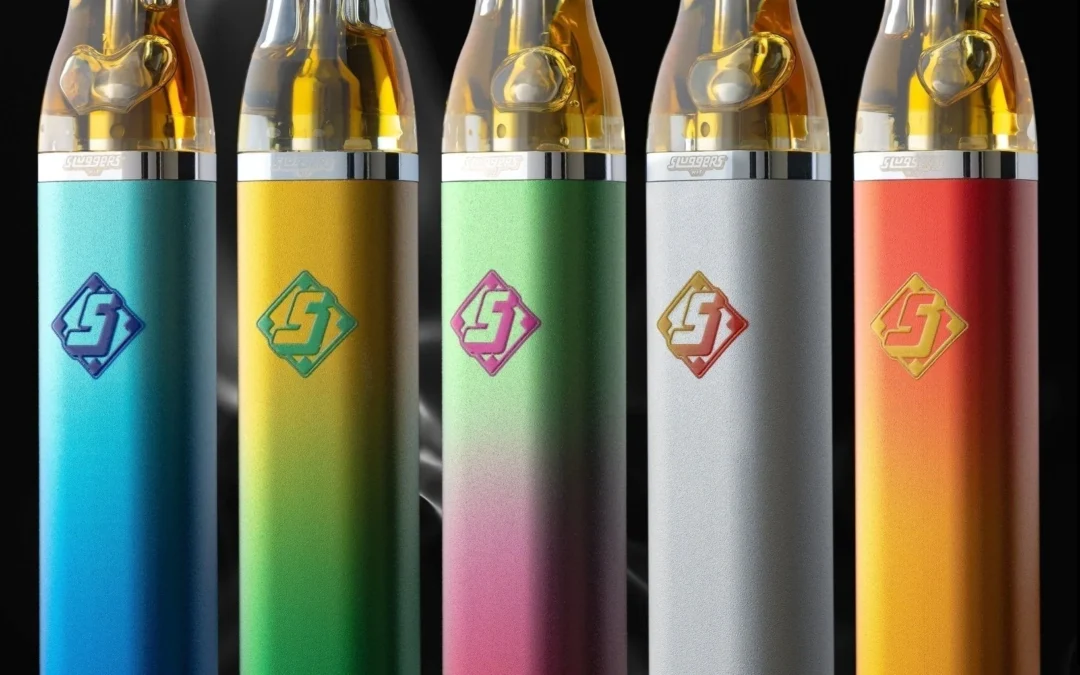
Looking for the best THC vapes in the US in 2026? With disposable vapes, cartridges, 1G devices, larger-capacity options and different cannabinoid formulations available, choosing a THC vape can be more complicated than simply picking the highest THC percentage or the most popular flavor.
The better approach is to compare the complete product.
A quality-focused THC vape buying decision should consider the product format, cannabinoid content, ingredients, hardware, capacity, available laboratory information, batch details, terpene profile, storage requirements and applicable U.S. laws.
This 2026 buyer’s guide explains what to look for when comparing THC vapes and how to choose a format that fits your preferences.
Important: No THC vape should be described as completely risk-free or universally “best” for every consumer. THC can impair attention, judgment and coordination, and vaping cannabis carries potential health risks. This guide is for informational purposes and is not medical advice.
What Makes a THC Vape Worth Considering?
The phrase “best THC vape” can mean different things to different consumers.
Someone looking for a compact disposable may prioritize convenience, while another consumer may prefer a rechargeable battery and replaceable cartridge.
Instead of choosing based on one specification, consider several factors together:
- Cannabinoid profile
- THC concentration
- Product capacity
- Hardware design
- Disposable vs cartridge format
- Ingredients
- Terpene profile
- Laboratory testing
- Batch information
- Device compatibility
- Storage requirements
- Product transparency
- Applicable laws
This approach makes it easier to compare products without assuming that one specification automatically makes a vape better than another.
For first-time consumers, start with our THC Vapes: Complete Beginner’s Guide before comparing individual products.
Best THC Vape Types to Consider in 2026
THC vapes generally fall into several categories.
1. THC Disposable Vapes
Disposable THC vapes combine the cannabis formulation and hardware into one device.
They’re designed around convenience and typically require less setup than a separate cartridge-and-battery system.
When comparing disposable vapes, look at:
- Oil capacity
- Cannabinoid content
- Hardware
- Battery design
- Ingredients
- Terpenes
- Available testing
- Batch information
- Manufacturer instructions
Disposable capacity can range from smaller devices to larger formats.
Our THC Disposable Vape Guide can help you compare disposable formats before choosing a product.
Who Might Consider a Disposable?
A disposable may appeal to consumers who want:
- An all-in-one device
- Simple setup
- Portable hardware
- No separate battery
- A straightforward vaping format
However, disposable devices are not necessarily interchangeable. Hardware quality, formulation and capacity can vary considerably.
2. 1G THC Vapes
A 1G THC vape contains approximately one gram of vape formulation.
1G products are a common format for consumers who want a relatively compact device without moving immediately into larger-capacity products.
When comparing 1G THC vapes, consider more than the amount of oil.
Look at:
- Cannabinoid profile
- THC concentration
- Terpene profile
- Ingredients
- Hardware
- Battery
- Testing documentation
- Product specifications
A 1G vape isn’t automatically better or worse than a larger device. Capacity is simply one factor in the buying decision.
Read our Best 1G THC Vape Guide for a more detailed comparison of 1G options.
3. 1.2G THC Vapes
A 1.2G THC vape offers slightly more formulation than a traditional 1G format while retaining a relatively compact form factor.
For consumers comparing 1G and 1.2G products, the difference isn’t simply about the extra capacity.
Check whether the products differ in:
- Hardware
- Battery capacity
- Formulation
- THC concentration
- Terpene profile
- Testing
- Device design
A larger oil capacity does not automatically indicate a better product.
4. 2G THC Disposable Vapes
2G THC disposables have become an important category for consumers looking for larger-capacity all-in-one devices.
A 2G product can offer more formulation capacity than a 1G device, but the additional capacity also makes it important to examine the hardware and product specifications carefully.
When comparing a 2G THC disposable, look at:
Capacity
Confirm the stated total formulation amount.
Hardware
Consider the device design, battery and heating system.
Cannabinoids
Review the stated THC and cannabinoid content.
Terpenes
Look for information about the terpene profile if available.
Testing
Check whether relevant laboratory documentation is available for the product or batch.
Ingredients
Understand what the formulation contains.
Storage
Follow the manufacturer’s storage recommendations.
For a dedicated comparison, read our Best 2G THC Disposable Vape US 2026 Guide.
5. THC Cartridges
THC cartridges differ from disposable vapes because the cartridge generally requires a compatible battery.
This creates another factor when comparing products: battery compatibility.
Before purchasing a cartridge, confirm:
- The cartridge fits your battery
- The battery supports the required connection
- The cartridge is intact
- The formulation information is available
- The product has appropriate documentation where applicable
Cartridges can be useful for consumers who already have compatible hardware and want a replaceable cartridge format.
Read our THC Disposable vs Cartridge Guide to understand the differences between the two formats.
How to Choose the Best THC Vape for You
Instead of searching for a universal winner, start by identifying what matters most to you.
Convenience
If convenience is your main consideration, an all-in-one disposable may be the simplest format.
Capacity
If you’re comparing products based on formulation amount, compare 1G, 1.2G and 2G products while also examining hardware and cannabinoid information.
Hardware
If you prefer rechargeable equipment, a cartridge-and-battery system may be worth considering.
Product Information
If transparency matters to you, prioritize products with clear cannabinoid, ingredient and batch information.
Testing
Available laboratory documentation can provide additional information about a product’s cannabinoid profile and testing categories.
Flavor and Terpenes
Consumers interested in flavor may want to compare terpene information rather than choosing solely from a flavor name.
Our How to Choose a Quality THC Vape guide goes deeper into the characteristics worth checking before buying.
THC Percentage Isn’t the Only Thing to Compare
One of the biggest mistakes when shopping for THC vapes is focusing exclusively on the THC number.
A product’s THC concentration can be important, but it doesn’t describe the entire product.
For example, two vapes could have similar THC percentages while differing in:
- Cannabinoids
- Terpenes
- Ingredients
- Hardware
- Capacity
- Manufacturing
- Testing
- Device design
CDC notes that products with high concentrations of THC can produce greater intoxicating effects and that vaping concentrates can deliver high levels of THC.
That is why a complete product comparison is more useful than simply looking for the highest number on the label.
Check the Cannabinoid Profile
THC is only one cannabinoid.
Depending on the formulation, a THC vape may contain different cannabinoids in addition to THC.
Look for available information about:
- Delta-9 THC
- THCA
- CBD
- CBN
- Minor cannabinoids
- Total cannabinoid content
If THCA is present, remember that heating can convert THCA into THC. CDC explains that THCA becomes THC when exposed to heat such as smoking or vaping.
For more information, read our THCA for Beginners Guide.
Look at the Terpene Profile
Terpenes are naturally occurring compounds found in cannabis and many other plants.
They’re commonly associated with aroma and flavor.
When comparing THC vapes, terpene information can help you understand why two products with similar cannabinoid profiles may have noticeably different flavor characteristics.
Common cannabis-associated terpenes include:
- Myrcene
- Limonene
- Caryophyllene
- Pinene
- Linalool
A product’s terpene profile should be treated as descriptive information rather than a guarantee of a particular effect.
Check for Laboratory Testing
Laboratory testing can provide useful product information.
Depending on the product and applicable requirements, laboratory documentation may include information about:
- Cannabinoid concentration
- Terpenes
- Residual solvents
- Pesticides
- Heavy metals
- Microbial contamination
When reviewing a COA, check that the documentation corresponds with the relevant product or batch where applicable.
Don’t assume that a generic laboratory report automatically represents every product from the same brand.
Read our THC Vape COA & Lab Testing Guide for more information about reading cannabis laboratory documentation.
What Should You Avoid When Buying a THC Vape?
A commercial buyer’s guide should also explain what to watch out for.
Avoid Products With Little or No Product Information
Be cautious when you cannot determine basic information about what you’re buying.
Important information can include:
- Product type
- Cannabinoid content
- Ingredients
- Manufacturer
- Batch information
- Testing information
Avoid Modified Vapes
Do not add oils, concentrates or other substances to a vape unless the manufacturer specifically designed the device for them.
FDA has warned consumers against modifying vaping products or adding substances that were not intended by the manufacturer.
Avoid Damaged Hardware
Do not use a vape that is visibly damaged, leaking, unusually hot or behaving abnormally.
Avoid Making “Highest THC” Your Only Buying Criterion
More THC does not automatically mean a better product.
Consider the entire product rather than one number.
How to Compare THC Vape Sizes
Here’s a simple way to think about common capacities:
| Vape format | Approx. formulation capacity | Main consideration |
|---|---|---|
| 1G | 1 gram | Compact, common format |
| 1.2G | 1.2 grams | Slightly larger capacity |
| 2G | 2 grams | Larger-capacity format |
| Cartridge | Varies | Requires compatible battery |
| Disposable | Varies | Integrated hardware |
Capacity figures describe the amount of formulation advertised by the product. They do not independently establish quality, safety or performance.
Disposable vs Cartridge: Which THC Vape Format Should You Choose?
The choice depends on what you value.
Disposable
Potential advantages:
- All-in-one design
- Simple setup
- Portable
- No separate battery required
Considerations:
- Hardware is integrated
- Disposal is required after use
- Some products are not rechargeable
Cartridge
Potential advantages:
- Replaceable cartridge
- Reusable compatible battery
- More flexibility between cartridges
Considerations:
- Requires compatible hardware
- Battery maintenance is required
- Compatibility should be checked before purchase
Neither format should automatically be considered superior. They’re designed around different consumer preferences.
How to Evaluate THC Vape Hardware
The formulation isn’t the only part of the product.
The hardware matters too.
Before buying, consider:
Battery
For rechargeable devices, check the manufacturer’s charging instructions and compatibility requirements.
Heating Element
The heating system is responsible for vaporizing the formulation.
Airflow
Device design can affect airflow and draw characteristics.
Mouthpiece
Check that the mouthpiece is intact and properly fitted.
Cartridge Connection
For cartridge systems, make sure the connection is compatible with the intended battery.
Device Integrity
Do not use damaged or leaking hardware.
FDA has documented safety problems associated with some vaping products, including overheating, fires and explosions.
THC Vape Safety Best Practices
Choosing a quality-focused product is only one part of responsible vaping.
Follow the manufacturer’s instructions and avoid modifying the device.
Additional best practices include:
- Don’t add substances not intended by the manufacturer.
- Don’t use visibly damaged hardware.
- Keep devices away from excessive heat.
- Store products securely away from children and pets.
- Follow charging instructions for rechargeable devices.
- Don’t drive while impaired.
- Don’t operate machinery while impaired.
- Stop using a product if it behaves abnormally.
For a more detailed safety checklist, read our THC Vape Safety: Best Practices for Safe Vaping.
How to Store THC Vapes
Proper storage helps protect both the product and its hardware.
Generally, store THC vapes:
- In a cool location
- Away from direct sunlight
- Away from excessive heat
- Away from moisture
- Away from children
- Away from pets
Avoid leaving a vape inside a hot vehicle.
For more information, see our THC Vape Storage Guide.
Are THC Vapes Legal in the US in 2026?
There isn’t one simple nationwide answer for every THC vape.
Cannabis laws differ between federal and state jurisdictions, and the legal status of a particular product can depend on factors such as:
- Cannabinoid composition
- THC concentration
- Product source
- State law
- Product category
- Possession rules
- Transportation rules
A product permitted under one state’s framework isn’t automatically permitted everywhere else.
Before purchasing or possessing a THC vape, consumers should check the current laws that apply to their location and the specific product.
For educational information, see our U.S. Cannabis Laws 2026 Guide.
What Makes Sluggers Vape Products Worth Comparing?
At Sluggers Vape, our approach is to provide product information that allows adult U.S. consumers to compare cannabis products based on more than a product name or THC percentage.
Depending on the product, relevant information can include:
- Cannabinoid content
- Product size
- Strain or cultivar information
- Terpene profile
- Product specifications
- Available batch information
- Laboratory documentation
This gives shoppers more information to consider when comparing THC vape products.
Browse our THC Vape Collection to view available products and their individual specifications.
THC Vape Buyer’s Checklist
Before purchasing a THC vape, use this quick checklist.
Product
☐ Is the product clearly identified?
☐ Do you know its cannabinoid profile?
☐ Is the capacity clearly stated?
☐ Are ingredients or formulation details available?
Testing
☐ Is laboratory documentation available?
☐ Does the report correspond to the product or batch?
☐ Does the report provide useful cannabinoid information?
Hardware
☐ Is the device intact?
☐ Is it compatible with the intended battery if it’s a cartridge?
☐ Are charging instructions available if rechargeable?
☐ Is there any leakage or visible damage?
Storage
☐ Can you store it away from heat and sunlight?
☐ Can you keep it away from children and pets?
Legal
☐ Have you checked the laws applicable to your location?
☐ Do you understand the product’s cannabinoid composition?
Frequently Asked Questions
What are the best THC vapes in the US in 2026?
There isn’t one THC vape that is objectively the best for every consumer. The appropriate choice depends on factors such as preferred format, capacity, cannabinoid profile, hardware, available testing and product information.
What should I look for in a THC vape?
Look at the complete product rather than one specification. Consider cannabinoid content, ingredients, capacity, hardware, terpene profile, batch information and available laboratory documentation.
Is a 2G THC vape better than a 1G vape?
Not necessarily. A 2G vape contains more formulation capacity, but capacity alone doesn’t establish product quality. Compare the hardware, formulation, cannabinoid information and testing as well.
Are THC disposables better than cartridges?
They’re different formats rather than automatically better or worse. Disposables combine the battery and formulation into one device, while cartridges generally require compatible rechargeable hardware.
Does a higher THC percentage mean a better THC vape?
No. THC concentration is only one product characteristic. A complete comparison should also consider formulation, cannabinoids, terpenes, hardware, testing and product information.
Should I check the COA before buying a THC vape?
If a COA is available, reviewing it can provide additional information about the product or batch. Check that the report corresponds to the relevant product and review the testing categories rather than relying on a single number.
Can THC vapes be used while driving?
THC can impair attention, judgment and coordination. Do not drive or operate machinery while impaired.
How should I store a THC vape?
Keep the product in a cool, dry location away from direct sunlight and excessive heat, and store it securely away from children and pets.
Final Thoughts: Choosing a THC Vape in 2026
Finding the right THC vape isn’t simply about searching for the highest THC percentage or the largest disposable.
A better buying process starts with understanding the product.
Compare:
Format → Capacity → Cannabinoids → Ingredients → Terpenes → Hardware → Testing → Batch information → Storage → Applicable laws
Whether you’re considering a 1G disposable, 1.2G vape, 2G disposable or cartridge, use the same principle: look at the complete product rather than one headline specification.
For U.S. adult consumers researching THC vapes in 2026, Sluggers Vape provides product information and educational guides designed to make that comparison easier.
Explore the Sluggers Vape THC collection or continue learning through our THC Vape Beginner’s Guide.