
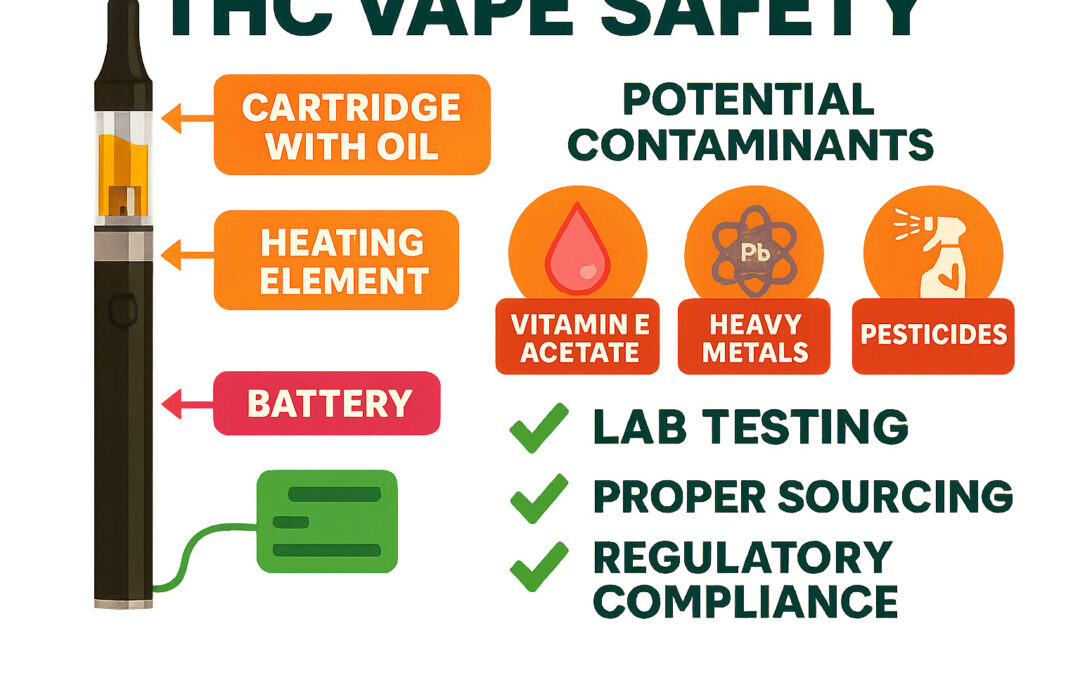
THC vape products are popular because they combine cannabis extracts with compact, convenient vaporizer hardware. But responsible THC vaping involves more than choosing a flavor or checking the THC percentage.
Understanding THC vape safety means knowing what is in the product, checking available laboratory information, inspecting the hardware, following manufacturer instructions, storing the device correctly and recognizing when a vape should no longer be used.
At Sluggers Disposable , our goal is to provide product information that helps adult U.S. consumers make informed decisions. We recommend reviewing cannabinoid information, ingredients, available laboratory documentation and product specifications before choosing a THC vape.
Important: No THC vape should be described as completely risk-free or “100% safe.” Cannabis products can carry health and impairment risks, and laws vary by state. This guide provides general consumer information and is not medical advice.
What Is THC Vape Safety?
THC vape safety refers to the practices consumers can use to reduce avoidable risks when selecting, using, storing and handling a THC vape.
A THC vape generally contains a cannabis formulation or extract, a heating element and hardware designed to produce an aerosol for inhalation. Disposable vapes combine these components into one device, while cartridges generally require compatible battery hardware.
If you’re new to vaping, start with our THC Vapes: Complete Beginner’s Guide, which explains THC vape formats, hardware, product information, storage and common troubleshooting issues.
Safety considerations include:
- Product ingredients
- Cannabinoid information
- Laboratory testing
- Manufacturing and batch information
- Hardware condition
- Battery and charging practices
- Storage
- Responsible THC use
- Avoiding modified or unknown products
- Recognizing unusual product or health symptoms
1. Choose a THC Vape With Clear Product Information
One of the first steps in responsible vaping is knowing what you are buying.
Before purchasing a THC vape, look for clear information about:
- Cannabinoid content
- Product type
- Ingredients or formulation information
- Manufacturer or brand information
- Batch or lot information where applicable
- Product capacity
- Available laboratory testing
- Hardware specifications
- Applicable usage instructions
Avoid relying exclusively on marketing terms such as “premium,” “strongest,” or “cleanest.”
A high THC percentage alone does not tell you everything about a product.
The formulation, cannabinoid profile, ingredients, hardware and available testing information can all be relevant.
For a deeper buying checklist, read our How to Choose a Quality THC Vape guide.
2. Check the COA and Available Laboratory Testing
Laboratory documentation can give consumers additional information about a cannabis product.
A Certificate of Analysis (COA) may contain information such as:
- THC and other cannabinoid concentrations
- Cannabinoid profile
- Terpene information
- Residual solvents
- Pesticides
- Heavy metals
- Microbial testing
- Batch or lot information
Testing requirements vary depending on the product and jurisdiction, so the exact information provided will not always be identical.
A useful COA should be connected to the product or batch where applicable rather than being presented as generic laboratory documentation.
For more information, see our THC Vape COA and Laboratory Testing Guide.
Why Does Batch Information Matter?
Cannabis products can vary between batches.
A laboratory report from one production batch does not necessarily establish the exact composition of another batch.
That is why consumers evaluating laboratory information should pay attention to:
- Product name
- Batch number
- Testing date
- Laboratory information
- Reported cannabinoids
- Testing categories
- Whether the documentation corresponds with the product being considered
3. Check the Ingredients For THC vape safety
Before using a THC vape, understand what the product is designed to contain.
The formulation may include cannabis extract, cannabinoids and terpenes, depending on the product.
Avoid products with vague or unexplained ingredient information.
Most importantly, do not add substances to a vape unless the manufacturer specifically designed the device and product for that purpose.
The FDA and CDC have specifically advised consumers not to add vitamin E acetate or other substances not intended by the manufacturer to vaping products.
Do not attempt to make a THC vape “stronger” by adding another oil, concentrate, distillate or other substance.
4. Never Modify a Disposable Vape
Disposable vapes are designed to be used according to their manufacturer’s specifications.
Do not:
- Puncture the device
- Open the battery compartment
- Attempt to refill a non-refillable disposable
- Replace internal components
- Add another oil
- Mix different formulations inside the device
- Bypass the device’s safety features
If a disposable becomes damaged, begins leaking or behaves unusually, stop using it.
A device that was not designed to be opened or refilled should not be treated like a refillable vape system.
5. Inspect Your THC Vape Before Use
Take a few seconds to inspect the device before using it.
Look for:
- Cracks
- Damaged mouthpieces
- Leaking oil
- Broken components
- Unusual swelling
- Excessive heat
- Damaged charging ports
- Burnt or unusual odors
Do not use a vape that appears damaged.
If a cartridge is leaking, avoid placing the leaking oil on your skin or near your eyes and follow the manufacturer’s guidance for handling or disposal.
Our THC Vape Troubleshooting Guide can help you understand common issues such as clogging, leaking, charging problems and unusual performance.
6. Follow the Manufacturer’s Instructions For THC vape safety
Different THC vapes operate differently.
A disposable may be draw-activated, while another device may use a button.
A cartridge may require a compatible rechargeable battery.
Some devices have specific charging requirements or operating instructions.
For this reason, don’t assume every THC vape works the same way.
Before using a new device:
- Read the product instructions.
- Identify whether it is draw-activated or button activated.
- Check whether it is rechargeable.
- Use compatible charging equipment.
- Follow the manufacturer’s recommended operating instructions.
- Stop using the device if it behaves unusually.
Our THC Vape Beginner’s Guide provides additional information about disposable and cartridge formats.
7. Avoid Excessive Heat
Heat can affect both cannabis formulations and vape hardware.
Avoid leaving a THC vape:
- In a hot vehicle
- In direct sunlight
- Near a heater
- Near an open flame
- In other locations exposed to extreme temperatures
Excessive heat can affect the formulation and may also create hardware or battery concerns.
If a device becomes unusually hot during use or charging, discontinue use and allow it to cool in a safe location.
8. Store THC Vapes Properly
Proper storage helps protect the product and hardware.
A good general storage environment should be:
- Cool
- Dry
- Away from direct sunlight
- Away from excessive heat
- Away from moisture
- Away from children
- Away from pets
Do not leave a THC vape loose in a hot car or another location where temperatures can become extreme.
For a detailed storage checklist, read our How to Store a THC Vape guide.
9. Use the Correct Charging Equipment For Your THC vape safety
For rechargeable THC vape devices, follow the manufacturer’s charging instructions.
Do not use damaged cables, damaged charging ports or equipment that is incompatible with the device.
When charging:
- Use the recommended charging method.
- Keep the device away from excessive heat.
- Do not use visibly damaged hardware.
- Follow manufacturer instructions.
- Avoid improvising battery modifications.
- Stop charging if the device becomes unusually hot or behaves abnormally.
Not every disposable vape is rechargeable. Never assume that a device should be charged simply because it contains a battery.
10. Don’t Drive After Using THC; [THC vape safety
THC can impair attention, reaction time, coordination, judgment and other abilities needed for driving.
The CDC notes that THC can affect memory, attention, decision-making and risk-taking.
If you use a THC product, don’t drive or operate machinery while impaired.
This is especially important with concentrated cannabis products because cannabinoid concentrations can vary significantly between products.
Read our THC Vape vs Flower Guide if you want to understand how vape formulations compare with cannabis flower.
11. Don’t Combine THC With Alcohol or Other Intoxicating Substances
Combining intoxicating substances can make their effects less predictable.
If you choose to use a THC vape, understand the product’s cannabinoid information and avoid combining THC with alcohol or other intoxicating substances.
People can respond differently to THC depending on factors including previous experience, product concentration, frequency of use and whether other substances are involved.
12. Don’t Share Your THC Vape
Sharing a vape isn’t recommended.
A personal device should remain personal for hygiene reasons and because sharing also makes it more difficult to keep track of individual consumption.
Keep your vape stored securely and avoid allowing other people to use your device.
13. Pay Attention to Your Body
THC affects people differently.
If you experience concerning symptoms after using a vaping product, stop using the product and seek appropriate medical attention.
The FDA has advised consumers to pay attention to symptoms including:
- Cough
- Shortness of breath
- Chest pain
and to seek medical attention if they have concerns about their health following vaping.
Do not attempt to diagnose a serious health problem yourself.
If you develop significant breathing difficulty, chest pain or another medical emergency, seek urgent medical care.
14. Understand the EVALI History
One reason THC vape safety receives significant attention is the 2019 outbreak of e-cigarette or vaping product use-associated lung injury, commonly referred to as EVALI.
CDC and FDA investigations found a strong association between the outbreak and vitamin E acetate in THC-containing vaping products. The agencies also emphasized that other substances could potentially contribute to vaping-related injuries.
The practical lesson for consumers is straightforward:
Do not add vitamin E acetate or other substances to a vaping product unless specifically intended by the manufacturer.
Consumers should also be cautious about products with unknown ingredients or unclear manufacturing and testing information.
15. Avoid Unknown or Illicit THC Vapes
Product transparency matters.
Products obtained through unknown sources may provide little reliable information about:
- Ingredients
- Cannabinoid concentration
- Manufacturing
- Batch information
- Laboratory testing
- Hardware quality
The FDA and CDC have specifically warned about THC vaping products obtained from informal or illicit sources in connection with the EVALI outbreak.
For consumers evaluating a THC vape, clear product information and appropriate laboratory documentation provide useful information to consider before purchasing.
THC Vape Safety Checklist
Before using a THC vape, ask yourself:
Product
- Is the product clearly labeled?
- Do I know what cannabinoids it contains?
- Are the ingredients reasonably clear?
- Is batch information available where applicable?
- Is laboratory documentation available?
Hardware
- Is the device intact?
- Is the cartridge properly connected?
- Is there any leakage?
- Is the device overheating?
- Is the charging equipment compatible?
Usage
- Have I read the manufacturer’s instructions?
- Am I avoiding modifications?
- Am I avoiding mixing THC with other intoxicating substances?
- Am I avoiding driving while impaired?
Storage
- Is the vape protected from excessive heat?
- Is it away from direct sunlight?
- Is it protected from moisture?
- Is it secured away from children and pets?
If the answer to an important safety question is no, pause before using the product.
How Sluggers Carts Approaches THC Vape Safety/ Information
At Sluggers Carts, we believe consumers should have access to useful product information when evaluating THC vapes.
Our U.S. product range includes THC disposable vapes, cartridges and other cannabis formats. Product pages can provide information such as cannabinoid content, product specifications and available laboratory documentation.
When evaluating any THC vape, we encourage consumers to look beyond the headline THC percentage.
Consider:
- Cannabinoid information
- Ingredients
- Terpene information
- Hardware
- Batch information
- Available laboratory testing
- Storage requirements
- Applicable laws
You can browse our THC vape collection after reviewing the product information and determining whether the product is appropriate for you and permitted where you live.
THC Disposable vs Cartridge: Which Requires Different Safety Considerations?
Both formats involve vaporizing a cannabis formulation, but their hardware is different.
Disposable THC Vape
A disposable generally combines the battery, heating element and cannabis formulation into one device.
The main considerations include:
- Battery condition
- Hardware integrity
- Charging instructions if rechargeable
- Proper storage
- Not modifying or refilling the device unless specifically designed for it
THC Cartridge
A cartridge generally requires a compatible battery.
Important considerations include:
- Battery compatibility
- Cartridge condition
- Connection quality
- Leakage
- Charging practices
- Proper storage
Read our THC Disposable vs THC Cartridge Guide for a more detailed comparison.
1G, 1.2G and 2G THC Vapes: Does Size Change Safety?
A larger oil capacity does not automatically mean a product is safer or less safe.
A 1G, 1.2G or 2G vape can differ in:
- Formulation
- Hardware
- Battery capacity
- Cannabinoid concentration
- Terpene profile
- Manufacturing
- Testing
- Device design
Capacity is therefore only one part of evaluating a THC vape.
Our THC Disposable Guide explains the differences between 1G, 1.2G, 2G and Switch-style formats.
THC Vape Safety and U.S. Laws
THC vape laws vary throughout the United States.
The legal status of a particular product can depend on factors such as:
- State law
- Federal law
- Cannabinoid composition
- Product source
- THC concentration
- Product category
- Possession and transportation rules
A product being available in one state does not automatically mean it is legal in another.
Before purchasing, possessing, using or transporting a THC vape, check the laws that apply to your location and the specific product.
Read our U.S. Cannabis Laws Guide for additional educational information.
Frequently Asked Questions About THC Vape Safety
Are THC vapes safe?
THC vapes should not be described as completely risk-free. Cannabis use carries potential risks, and vaping products can vary in formulation, ingredients, hardware and manufacturing quality.
Consumers can reduce avoidable risks by checking product information, following manufacturer instructions, avoiding modifications and paying attention to product condition.
How can I choose a safer THC vape?
Look for clear product information, appropriate laboratory documentation, cannabinoid information, ingredient information, batch details where applicable and intact hardware.
Do not rely solely on THC percentage or marketing claims.
Should I add oil or another substance to my THC vape?
No. Do not add substances that were not intended by the manufacturer for that specific product.
The FDA specifically advises consumers not to add vitamin E acetate or other substances to vaping products.
Can I use a THC vape if it is leaking?
A visibly leaking or damaged vape should not be used. Stop using the device and follow the manufacturer’s guidance for handling the defective product.
Can I leave my THC vape in my car?
Avoid leaving a THC vape in a hot vehicle. Excessive heat can affect both the product and the device.
Can I drive after using a THC vape?
No. THC can impair abilities important for safe driving. Do not drive or operate machinery while impaired.
How should I store a THC vape?
Store it in a cool, dry place away from direct sunlight, excessive heat and moisture. Keep it securely away from children and pets.
Does a higher THC percentage mean a safer vape?
No. THC percentage alone does not establish product safety or quality.
Consider the complete product information, ingredients, hardware, manufacturing information and available laboratory testing.
What should I do if my vape makes me feel unwell?
Stop using the product. If you experience concerning symptoms such as significant breathing difficulty, chest pain or other serious symptoms, seek appropriate medical attention promptly.
Final Takeaway: Best Practices for THC Vape Safety
Responsible THC vaping starts before you take your first draw.
Choose products with clear information, review available laboratory documentation, inspect your hardware and follow the manufacturer’s instructions. Never modify a product or add substances that were not intended for it.
Store your THC vape away from excessive heat, sunlight, moisture, children and pets. Most importantly, understand that THC can impair judgment and coordination, so never drive or operate machinery while impaired.
For more information, continue exploring the Sluggers Carts cannabis education hub:
- THC Vapes: Complete Beginner’s Guide
- How to Choose a Quality THC Vape
- THC Vape COA & Laboratory Testing Guide
- How to Store a THC Vape
- THC Vape Troubleshooting Guide
- THC Disposable Guide
- THC Disposable vs THC Cartridge
- THC Vape vs Flower
- U.S. Cannabis Laws Guide
The goal isn’t to assume every vape is the same. It’s to understand the product, check the available information, use the hardware as intended and make informed decisions about cannabis products.